
Expert Tips for Managing Post-Concussive Conditions: A Neuropsychiatric Approach


Understanding Post-Concussive Conditions
Post-concussive conditions occur after a concussion, a type of traumatic brain injury. Individuals may experience symptoms such as headaches, dizziness, and cognitive difficulties for an extended period. Understanding these conditions is crucial for effective management and recovery.

Recognizing Symptoms
Post-concussive symptoms can vary widely. Common symptoms include:
- Persistent headaches
- Memory problems
- Difficulty concentrating
- Sleep disturbances
- Mood changes
It's essential to monitor these symptoms closely, as they can impact daily functioning and quality of life.
A Neuropsychiatric Approach
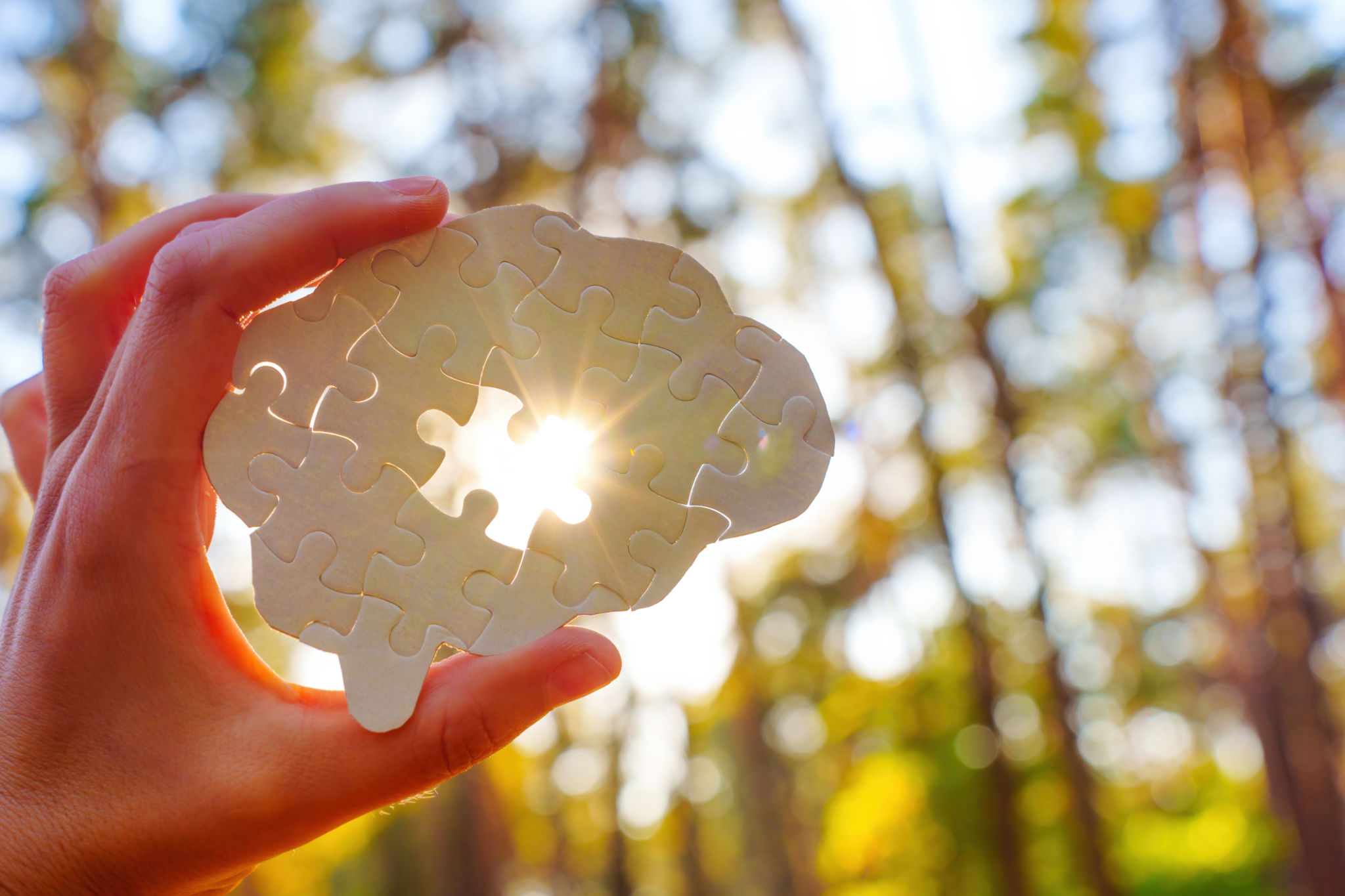
Adopting a neuropsychiatric approach can provide comprehensive care. This involves understanding the brain's role in mood, behavior, and cognitive function. A multidisciplinary team often includes neurologists, psychiatrists, and psychologists to address the complex nature of these conditions.
Therapeutic Interventions
Effective management often involves a combination of therapies tailored to individual needs. Some strategies include:
- Cognitive Behavioral Therapy (CBT): Helps manage mood changes and improve cognitive function.
- Medication: Prescribed to address specific symptoms such as depression or anxiety.
- Physical Therapy: Aims to alleviate dizziness and improve balance.
Lifestyle Modifications
Incorporating lifestyle changes can significantly aid recovery. Recommendations include:
- Adopting a regular sleep schedule
- Engaging in light physical activity
- Practicing mindfulness and relaxation techniques
These adjustments can help manage stress and improve overall well-being.

Monitoring Progress
Regular follow-ups with healthcare providers are essential. Tracking symptom progression helps adjust treatment plans effectively. Utilizing tools like symptom diaries can provide valuable insights into triggers and improvements.
Support Networks
Building a strong support network is crucial. Family, friends, and support groups can offer emotional support and practical assistance. Encouraging open communication about symptoms and challenges helps create a supportive environment.
By understanding and managing post-concussive conditions through a neuropsychiatric approach, individuals can work towards recovery and improved quality of life. It's important to seek professional guidance and remain proactive in managing symptoms.